This area is dedicated to wine professionals including sommeliers, restaurateurs, wine store owners importers and trainers. Welcome to your very own BIVB website where you can find all the tips and tools you need. You will find documentation, photography, training tools and all kinds of other useful information here to facilitate your search. You can also browse our events and training calendar and you are welcome to attend any that appeal. If you require any further information then don’t hesitate to contact us!
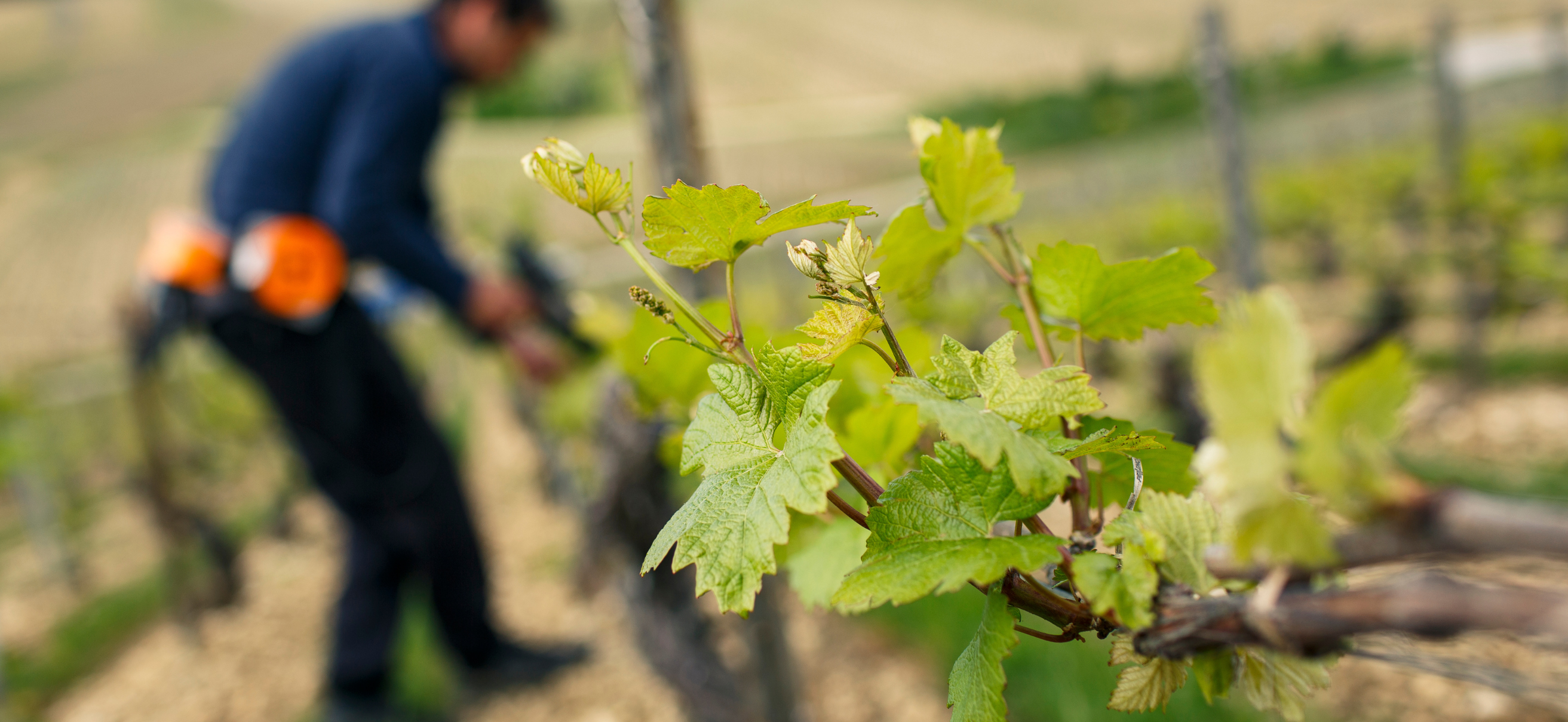
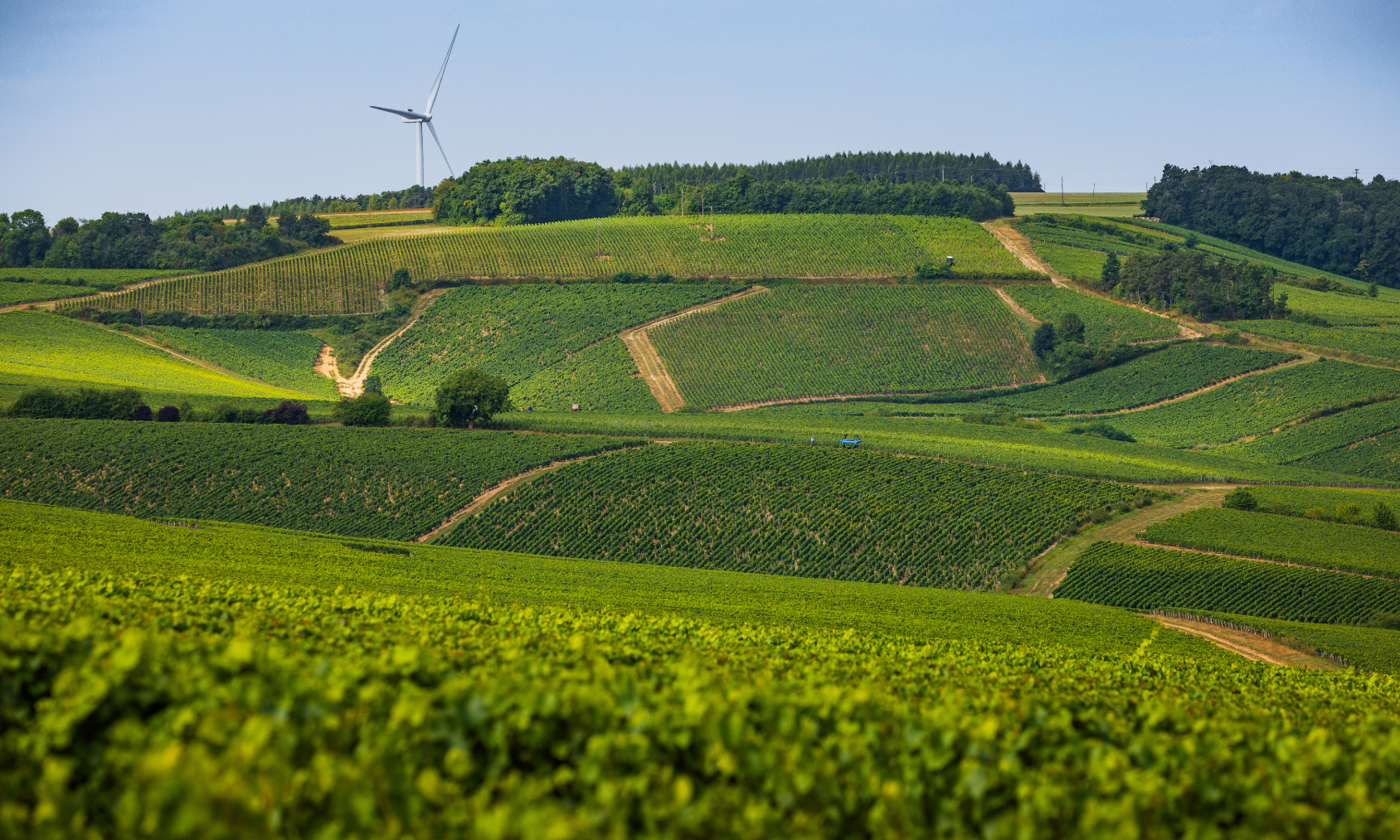
As canopy work intensifies and winegrowers struggle to keep pace with the rapid growth of the vines, Bourgogne is once again preparing for an August harvest.
This year, the growing season is once again moving at an accelerated pace. Unseasonably warm, rainy weather in February triggered an early restart of the vine growth cycle by mid-March.
However, the progression of budbreak was interrupted by several cold spells, accompanied by morning frosts between mid-March and early April. Some damage was reported, particularly in Chablis, the Grand Auxerrois, and the Châtillonnais.
The average date for mid-budbreak (50% green tips) was March 28, close to that of 2020, another notably early vintage. However, frost damage and bud-eating pests created significant variability across the affected vineyard parcels.
Warmer-than-normal temperatures throughout April encouraged extremely rapid vine growth, with one to two additional leaves appearing each week. Cooler conditions in early May slowed the pace slightly, but debudding and trellising operations are already underway.
There is still a long road ahead before harvest begins.
At the time of writing (late May), the vines are in full bloom. In a few days, we will know to what extent the flowers have turned into fruit.
At your service
Brazil: Helping Restaurants and Hospitality Teams Better Understand Chablis
In June, several training sessions dedicated to Chablis wines will help Brazilian hospitality professionals better understand and promote the diversity of the appellation’s range.
Next June, the Bourgogne Wine Board will organize a series of training sessions for hospitality professionals across the Brazilian market (Hotels, restaurants, cafes).
Led by Paulo Brammer, an Official Bourgogne Wine Ambassador in Brazil, these sessions are designed to strengthen the teams’ knowledge of Chablis wines while giving them the tools to better present and recommend Chablis wines.
Through both educational and sensory-driven approaches, participants will deepen their understanding of Chablis’ unique identity: freshness, tension, minerality, and the diversity of its appellations, from Petit Chablis through the Grand Cru.
The initiative aims to reinforce both visibility and understanding of Chablis wines within the Brazilian market by highlighting their distinctive character, accessibility, and strong sense of terroir.
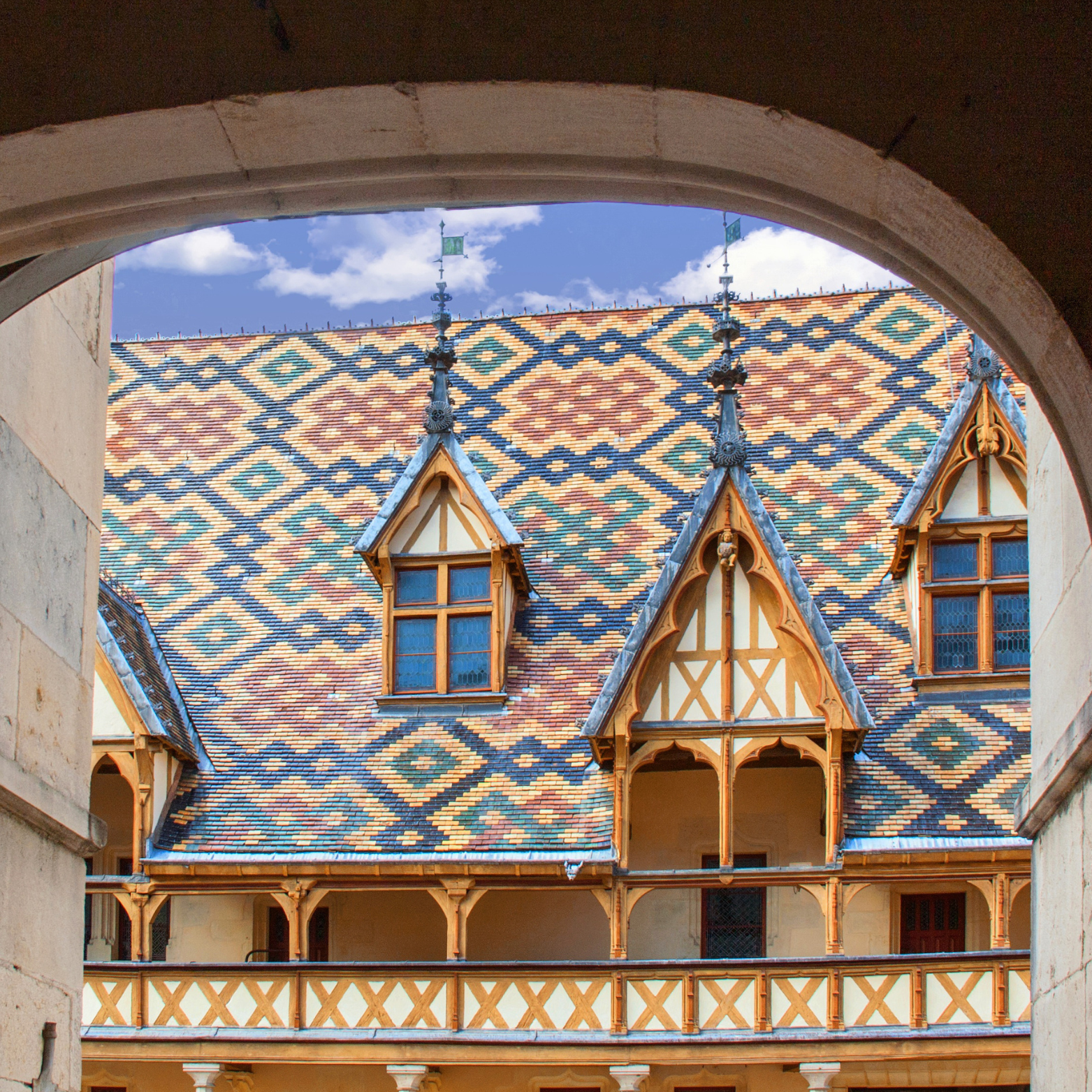
At this November’s Hospices de Beaune Wine Auction, the Hospices Civils de Beaune will highlight the fight against rare diseases as part of its historic charitable mission.
In France, three million people are living with a rare disease. These conditions are often invisible, poorly understood, and difficult to diagnose. This year’s President’s Barrel will be dedicated to the cause, with proceeds supporting both medical research and patient care initiatives.
This initiative continues the Hospices Civils de Beaune’s commitment to associating the Wine Auction with major public health causes.
For Bourgogne wine professionals, the event also serves as a reminder of the unique role played by the Hospices de Beaune Wine Auction — an emblematic gathering at the crossroads of heritage, solidarity, and collective engagement.
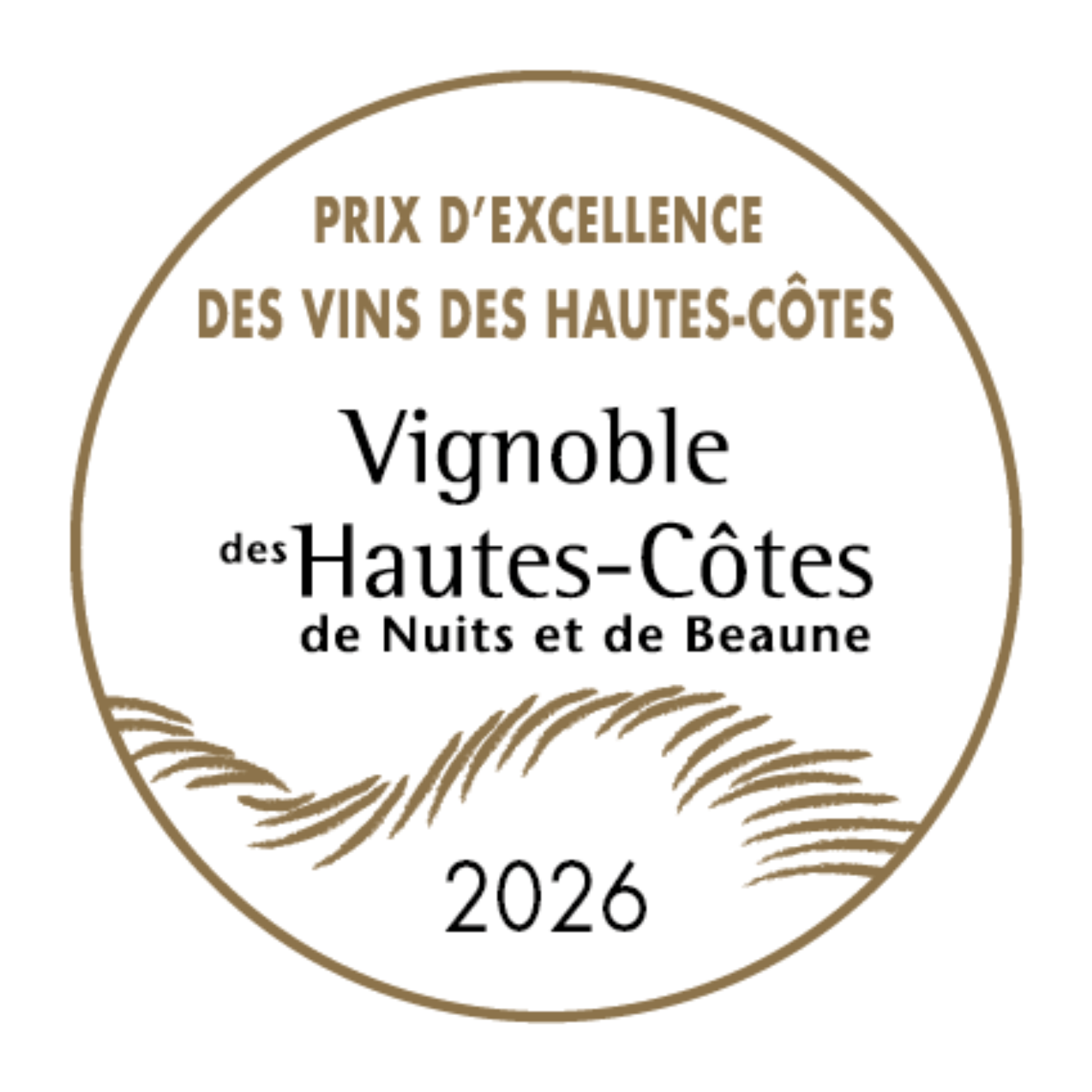
33 Wines Recognized at the 2026 Hautes-Côtes Excellence Awards
Fresh, approachable, and increasingly sought after, the Bourgogne Hautes Côtes AOCs continue to gain momentum among both consumers and trade professionals.
Last April, Beaune hosted the latest edition of the Hautes-Côtes Excellence Awards, a long-running competition that has celebrated the appellations for more than 70 years.
For the 2026 edition, 101 wines were evaluated by a panel of 31 tasters. Thirty-three wines ultimately received distinctions: 13 Bourgogne Hautes Côtes de Beaune and 20 Bourgogne Hautes Côtes de Nuits. The jury noted the continued rise in quality across both reds and whites.
Produced from vineyards planted between 320 and 450 meters in altitude and shaped by Bourgogne’s emblematic grape varieties, Pinot Noir and Chardonnay, the Bourgogne Hautes Côtes wines are increasingly appreciated for their freshness, balance, and aromatic precision.
Long overshadowed by some of Bourgogne’s more famous appellations, the Bourgogne Hautes Côtes are steadily establishing themselves as compelling options within the category. Their distinctive profiles, accessible pricing, and clear identity make them particularly relevant for today’s market, while the 2026 results further confirm their ongoing qualitative progression.
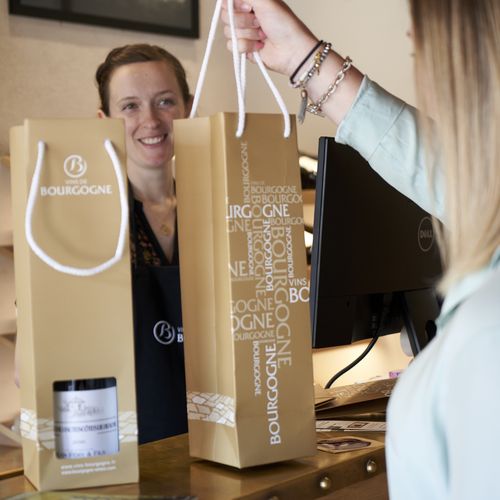
Throughout the month of June, take advantage of a 30% discount on Bourgogne wine bags. It is a great opportunity to stock up for cellar sales, retail boutiques, and professional events.
Designed for both bottle transport and gift presentation, these Bourgogne wine bags are available in two versions — with or without a window — and are sold in packs of 20.
The Bourgogne Wine Shop also offers a wide range of professional tools and branded support materials designed to help showcase Bourgogne wines on a daily basis, including wine service accessories, educational resources, and vineyard maps.
Discover the full range of products and preferred pricing through the online boutique dedicated to trade professionals and retailers.
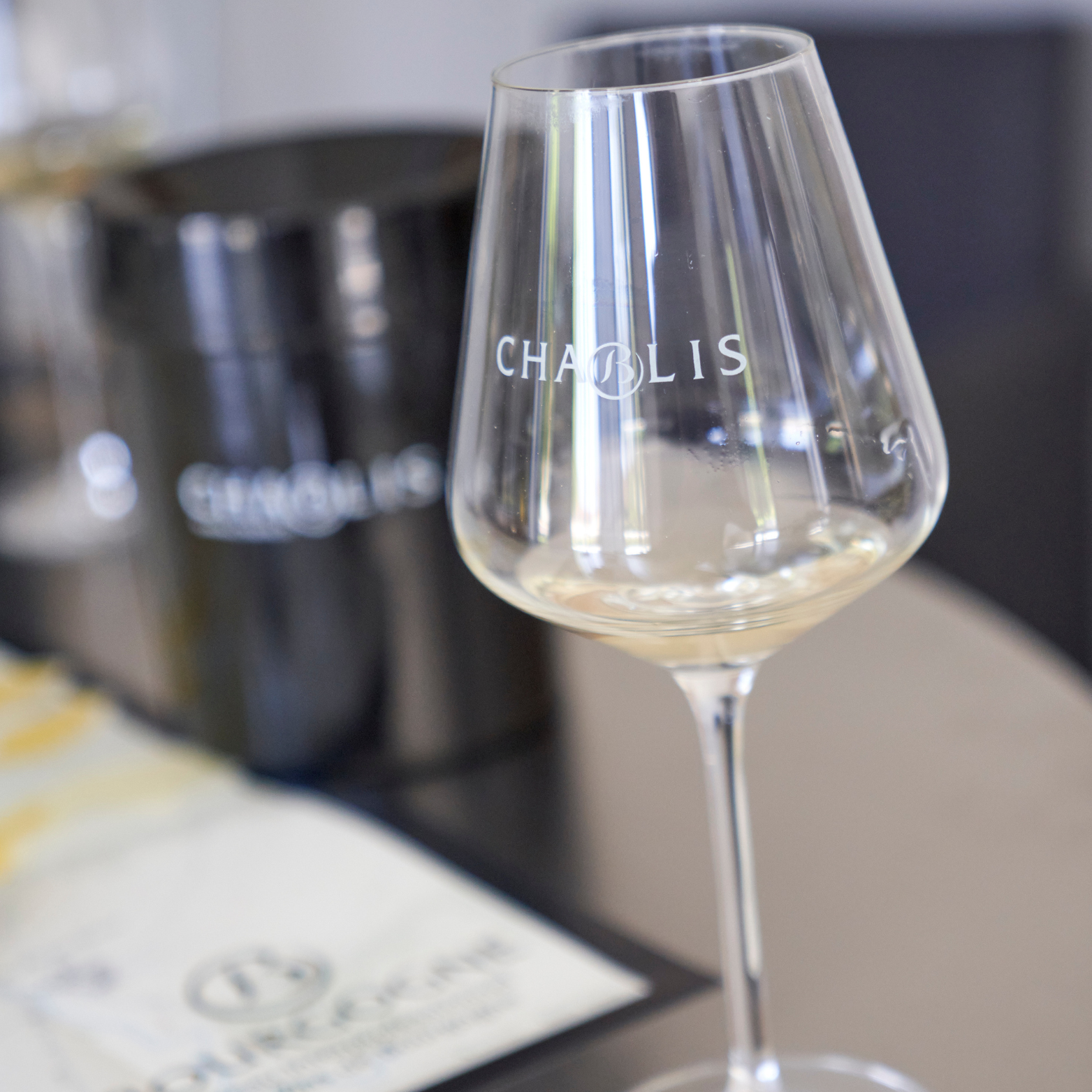
Fresh, lively, and increasingly relevant for today’s market, Petit Chablis offers an approachable gateway into the world of Chablis wines.
Created in 1944, Petit Chablis is produced exclusively from Chardonnay. It captures the character of the Chablis region through white wines that are fresh, lively, and defined by their bright tension.
Like Chablis, Petit Chablis is classified as a Village appellation, with vineyards located primarily on the surrounding plateaus. Its vineyards rest on Portlandian limestone soils, composed of very hard limestone containing fewer fossils than the Kimmeridgian soils more commonly associated with the other Chablis appellations.
For wine professionals, Petit Chablis represents a particularly relevant entry point into the world of Chablis wines. Approachable, easy to understand, and highly versatile, it offers excellent value while maintaining a clearly identifiable sense of origin.
Wine Description
In the glass, Petit Chablis displays a bright pale-gold color, sometimes accented by green highlights. The nose reveals white flowers such as hawthorn and acacia, alongside citrus notes of lemon and grapefruit.
On the palate, the attack is lively and light, with crisp freshness balanced by a pleasant roundness. A subtle saline impression occasionally reinforces its energetic and immediately appealing profile.
Food Pairings
As an apéritif, Petit Chablis pairs beautifully with gougères, savory bites, and summer snacks. At the table, its lively profile makes it a natural match for oysters, fish tartares, shrimp, grilled sardines, simply prepared fish dishes, and salads.
It can also create successful pairings with eggs, omelets, escargots, or andouillette. With cheese, it works especially well with goat cheeses as well as certain pressed or cooked cheeses.
For wine merchants, sommeliers, and restaurateurs, Petit Chablis is well positioned to meet growing demand for fresh, approachable Bourgogne white wines.
Bourgogne vs. Burgundy: to re-affirm their identity, the region and the producers are reverting back to the original French iteration of the name, Bourgogne.
9 issues per year, published by
Bureau Interprofessionnel des Vins de Bourgogne
12, Boulevard Bretonnière - BP 60150 - F-21204 BEAUNE CEDEX
Tel. 00 33 (0)3 80 25 04 80
COPYING OF THE CONTENTS OF THIS NEWSLETTER FOR FAIR USE IS AUTHORISED
 Press
Press professional access
 Educator Area
  extranet
 Partager